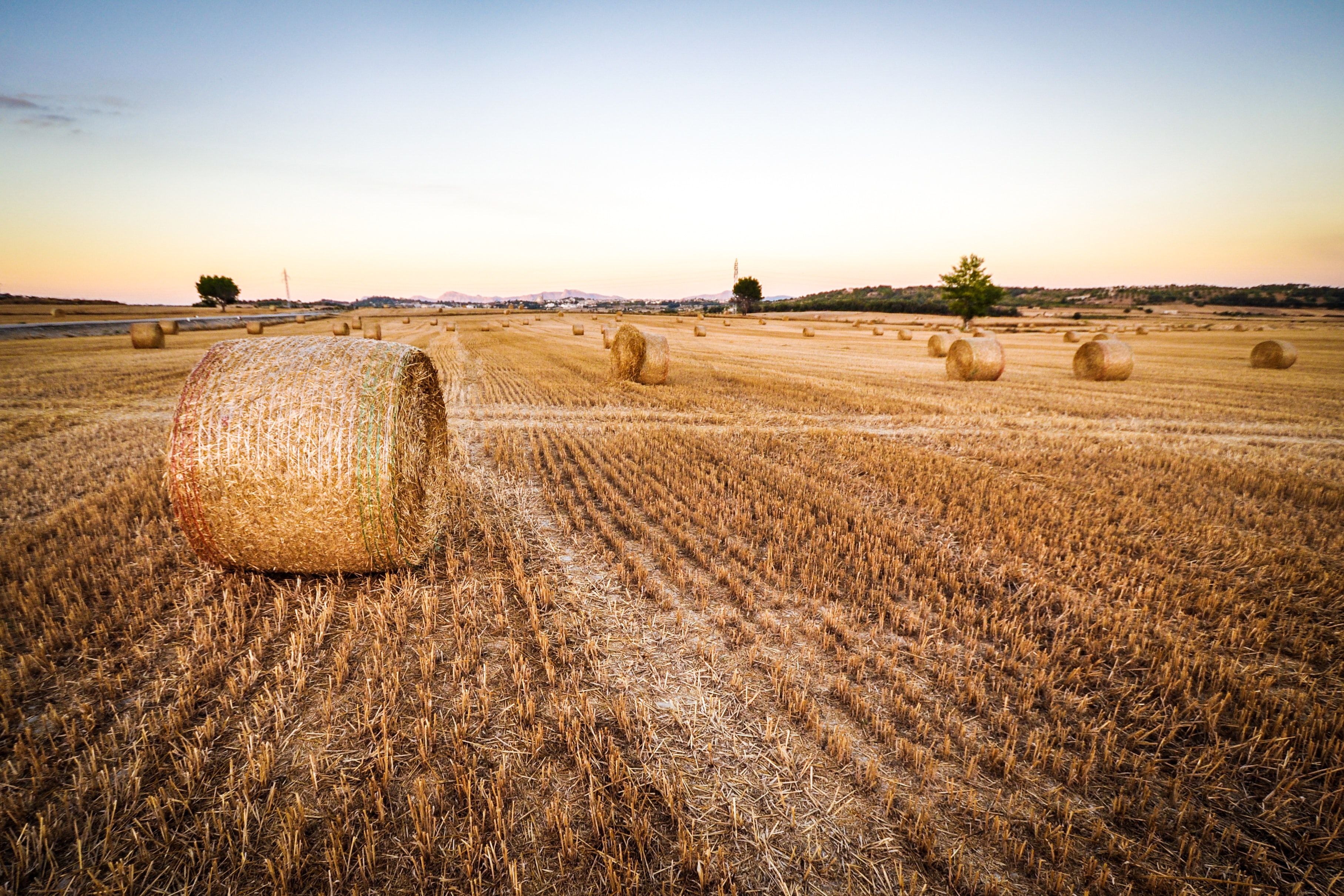
In a world facing climate change, soil degradation, and growing food demand, regenerative agriculture offers a promising path forward — one that restores soil health while maintaining productive farming.
What is regenerative agriculture
Regenerative agriculture is a holistic and nature-based approach to farming that focuses on restoring and enhancing the health of the soil and broader ecosystem. Unlike conventional agriculture, which often depletes soil resources, regenerative agriculture aims to leave the land in better condition than it was found.
This approach draws on traditional farming wisdom combined with modern science to create farming systems that work with natural processes rather than against them.
The importance of soil health in agriculture
Soil health is the foundation of successful and sustainable agriculture. It is the cornerstone that supports crop productivity, water management, and ecosystem services.
Healthy soil is teeming with life — a single teaspoon can contain billions of microorganisms. These organisms decompose organic matter, cycle nutrients, suppress diseases, and create the soil structure that allows water infiltration and root growth. When soil health declines, so does everything that depends on it.
But how can we know the state of our soil?
The answer is quite simple: soil testing. Soil testing is a fundamental first step in any regenerative agriculture transition. It provides baseline data on pH, nutrient levels, organic matter content, and biological activity.
Regular testing allows farmers to track changes over time and measure the impact of their regenerative practices. Without this data, it's impossible to know whether your practices are actually improving soil health.
History and evolution of farming techniques
Agriculture has been a key part of human civilization for thousands of years, and throughout this time, farming techniques have evolved significantly. From ancient methods of crop rotation and composting to the Green Revolution of the 20th century with its synthetic fertilizers and pesticides.
Now we are entering a new phase — one that recognizes the limitations of the industrial model and seeks to combine productivity with ecological health. Regenerative agriculture represents this next evolution.
Key principles of regenerative agriculture
Regenerative agriculture is a holistic and nature-based approach to farming. Its key principles include:
- Minimizing soil disturbance through reduced or no-till practices
- Maintaining continuous soil cover with cover crops and residues
- Maximizing biodiversity through diverse rotations and intercropping
- Integrating livestock for nutrient cycling and soil stimulation
- Keeping living roots in the soil year-round to feed soil biology
Benefits of regenerative agriculture
Regenerative agriculture focuses on improving the condition of soil and ecosystems, and it delivers multiple benefits:
- Improved soil structure — better water infiltration and retention, reduced erosion
- Higher organic matter — increased nutrient availability and soil biological activity
- Reduced input costs — less dependence on synthetic fertilizers and pesticides over time
- Climate resilience — healthier soils better withstand drought and flooding
- Carbon sequestration — storing atmospheric carbon in soil organic matter
Implementing regenerative agriculture — understanding soil condition
Implementing regenerative agriculture begins with understanding the current condition of your soil. This means conducting comprehensive soil tests that go beyond basic NPK to include organic matter, biological activity, and soil structure assessment.
With this baseline data, you can develop a targeted plan for improvement and measure progress over time. Each farm's transition will look different depending on soil type, climate, crops, and current practices.
Implementing regeneration techniques — reduced tillage, cover crops, crop rotation, and livestock integration
The transition to regenerative agriculture is a gradual process. Many farmers start with one or two practices and expand over time.
Reducing tillage protects soil structure and microbial communities. Cover crops between main crops prevent erosion and add organic matter. Diverse crop rotations break pest and disease cycles. And where possible, integrating livestock adds another dimension of nutrient cycling.
The key is to start with what makes sense for your specific situation and build from there.
Want to learn more? Talk to Wheatty — our AI regenerative agriculture assistant
If you want to learn more about regenerative agriculture and incorporate its practices into your daily work, Wheatty, our artificial intelligence-based regenerative agriculture assistant, is happy to help.
Wheatty can answer questions about soil health, regenerative practices, cover crop selection, and much more. It's available through the MeteoTrack Agro platform and provides personalized recommendations based on your specific conditions.
Summary
Regenerative agriculture is an approach focused on rebuilding soil health through reduced tillage, cover crops, crop rotation, and livestock integration. Improving soil structure and biology translates into higher yields, lower fertilization costs, and greater crop resilience to drought.