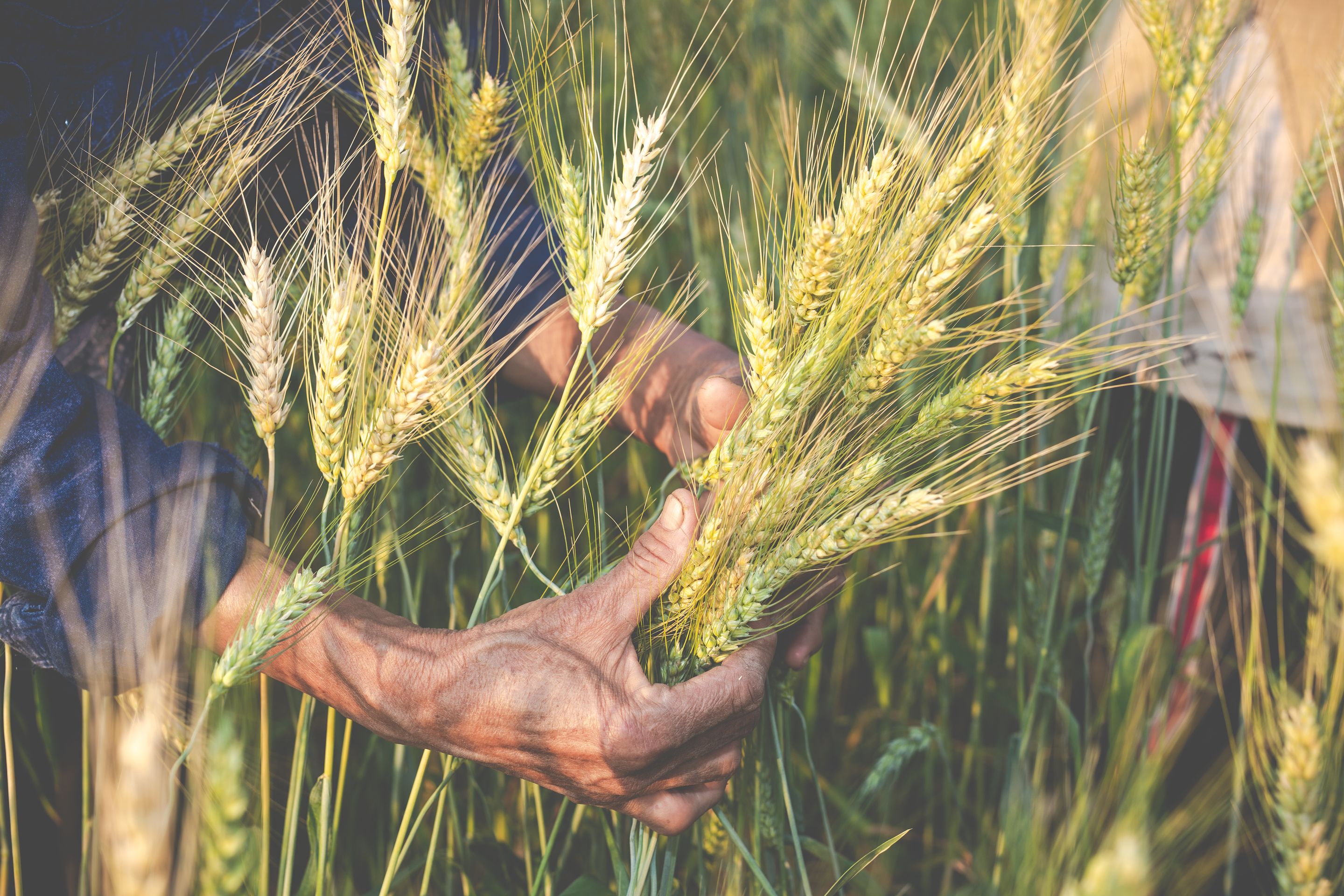
The Importance of Winter Barley
Winter barley plays a significant role in both animal feed production and the food industry, including brewing. It is valued for its relatively short growing season and ability to make good use of winter moisture reserves.
To achieve its full potential, however, farmers need solid knowledge of sowing requirements, optimal timing, and proper crop management.
Key Facts About Winter Barley
Winter barley stores winter water efficiently, which gives it an advantage over spring-sown cereals in drier regions. There are many varieties available — both multi-row and two-row types — suited to different end uses.
The active vegetation period is approximately 3 months, making winter barley one of the earliest cereals to reach harvest maturity.
Consequences of Incorrect Sowing Timing
Getting the sowing date wrong can have serious consequences:
Too early sowing leads to: • Aphid infestations and the spread of viral diseases (especially barley yellow dwarf virus) • Increased pressure from powdery mildew • Excessive autumn growth and reduced winter hardiness
Too late sowing results in: • Poor tillering before winter • Weak root systems that are vulnerable to frost heaving • Lower yield potential in the following season
Optimal Sowing Dates
Recommended sowing dates for conventional winter barley varieties:
- Eastern Poland — September 10–15
- Central Poland — September 12–18
- Western Poland — September 16–20
For hybrid winter barley, sowing can be slightly delayed:
- Eastern Poland — September 16–20
- Western Poland — September 20–25
Hybrid varieties tolerate later sowing better due to their stronger tillering capacity and more vigorous root development.
What Is Hybrid Barley?
Hybrid barley varieties are bred for high yield potential, strong tillering ability, and excellent winter hardiness. They are more forgiving of suboptimal sowing conditions and can compensate for lower plant density through vigorous spring regrowth.
These characteristics make hybrid barley a reliable choice, especially in regions with variable weather or when sowing is delayed.
Soil Requirements
Winter barley performs best on fertile, well-drained soils with good structure. It tolerates slightly alkaline conditions better than most other cereals.
Poorly drained or waterlogged fields should be avoided, as barley is particularly sensitive to excess moisture during the winter months. Adequate soil preparation — including proper plowing depth and seedbed quality — is essential for even emergence.
Sowing Density and Depth
Sowing density for multi-row varieties depends on soil quality:
- Lighter soils — 450–500 seeds/m²
- Good soils — 500–550 seeds/m²
Density can also be adjusted based on sowing timing:
- Early sowing — 220–270 seeds/m²
- Optimal sowing — 270–320 seeds/m²
- Late sowing — 320–350 seeds/m²
For hybrid varieties, the recommended density is lower: 170–240 seeds/m², thanks to their superior tillering.
Technical parameters:
- Row spacing — 10–15 cm
- Sowing depth — 3–4 cm
Basic Fertilization
Winter barley has high NPK requirements. It is particularly sensitive to potassium and phosphorus deficiency, which can limit tillering and root development.
Phosphorus and potassium should be applied before sowing and incorporated into the soil. Nitrogen fertilization is typically split — a smaller autumn dose to support initial growth, and the main application in early spring at the start of vegetation.
Harvest Timing
Winter barley reaches harvest maturity 6–7 months after sowing. The crop should be harvested at waxy to full maturity, when grain moisture is around 14–15%.
Delaying harvest increases the risk of grain shedding and quality losses. Winter barley is typically the first cereal harvested, which helps spread the workload during the busy summer period.
Summary
The optimal sowing window for winter barley is around mid-September — early enough for proper tillering but late enough to avoid disease pressure. Key considerations include:
- Choosing the right variety type (conventional vs. hybrid)
- Adjusting density to soil conditions and sowing date
- Providing adequate phosphorus and potassium fertilization
- Ensuring well-drained, fertile soil
With careful planning, winter barley delivers reliable yields and serves as an excellent component in crop rotation.
Summary
The optimal sowing time for winter barley is around mid-September — too early increases disease risk, too late limits tillering before winter. Winter barley requires fertile, well-drained soil and careful fertilization, especially with nitrogen and phosphorus.