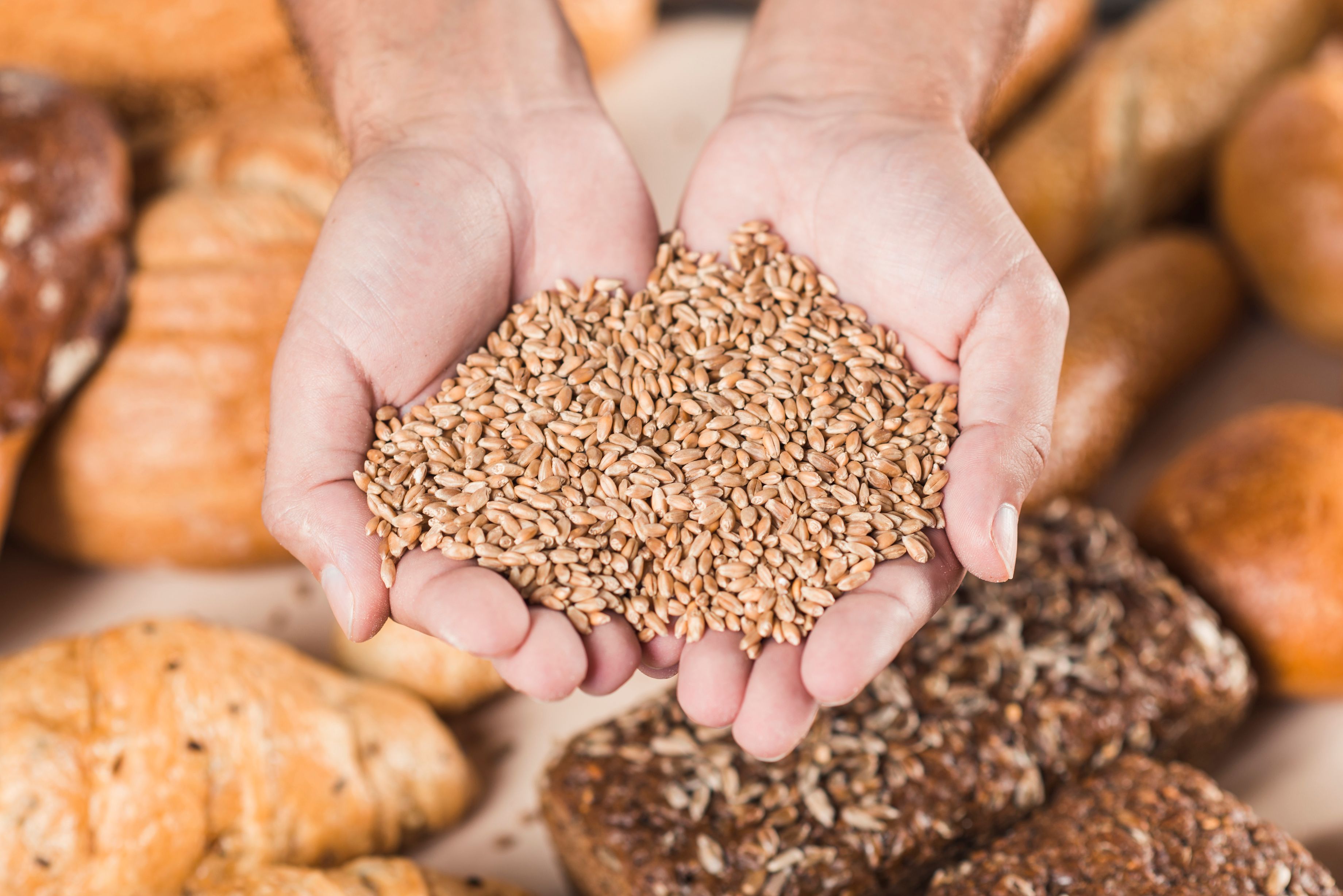
Winter wheat is the most widely cultivated cereal in Poland, and its success depends heavily on the quality of establishment in autumn. Getting the sowing date, density, and depth right sets the foundation for everything that follows — from winter survival to final grain yield.
What You Need to Know
Before sowing winter wheat, keep these important factors in mind:
- Sowing dates vary by region — eastern Poland requires earlier sowing than western regions
- There are many varieties available, each with different characteristics — always match the variety to your soil test results and local conditions
- Soil care is a year-round task — good structure, proper pH, and adequate organic matter all contribute to successful wheat cultivation
- Late sowing reduces frost resistance — plants that enter winter without adequate tillering are more vulnerable to winterkill
Optimal Sowing Dates
Winter wheat should ideally be sown by the end of September to allow sufficient time for root and tiller development before winter.
Recommended dates by region:
- Northwestern Poland — September 20 – October 5
- Western Poland — September 25 – October 5
- Southwestern Poland — September 25 – October 10
- Central Poland — September 20–30
- Northeastern and Eastern Poland — September 15–20
- Southeastern Poland — September 20–30
In cooler eastern and northeastern regions, earlier sowing is essential. In the milder west and southwest, the window extends slightly into October.
Sowing Density and Depth
A key rule: the later the sowing, the more seed is needed to compensate for reduced tillering time.
Density recommendations based on variety tillering capacity:
- Strong tillering varieties — 300–400 seeds/m²
- Weak tillering varieties — 400–500 seeds/m²
Sowing depth guidelines:
- Standard conditions — 2–3 cm
- Dry soil — up to 4 cm to reach moisture
Sowing too deep delays emergence and weakens seedlings, while sowing too shallow exposes seeds to drying out and bird damage.
Threats and Disease Protection
Winter wheat is less resistant to adverse conditions than rye, making disease management particularly important.
Common threats include:
- Powdery mildew — favored by dense stands and warm, humid conditions
- Fusarium — especially dangerous during flowering, affecting grain quality
- Septoria — one of the most common wheat diseases, attacking leaves and ears
- Rust (brown and yellow) — can cause severe yield losses in susceptible varieties
- Nutrient deficiency — particularly nitrogen and sulfur during stem elongation
- Snow mold — caused by overcrowding and excessive autumn growth
Proper sowing density and timely fungicide applications are the main tools for keeping these threats under control.
Summary
Successful winter wheat cultivation starts with professional timing and management:
- Aim to sow by the end of September or early October, depending on your region
- Choose tolerant varieties suited to your soil type and local disease pressure
- Varieties with strong tillering can be sown at lower density, reducing seed costs
- Maintain a sowing depth of 2–3 cm under normal conditions
- Plan your disease protection strategy before sowing
With the right preparation, winter wheat remains one of the most profitable and rewarding cereal crops to grow.
Summary
Winter wheat is best sown by the end of September — this gives plants time to root and tiller before winter. Key success factors are choosing the right variety for the region, appropriate sowing density and depth, and protecting against fungal diseases.