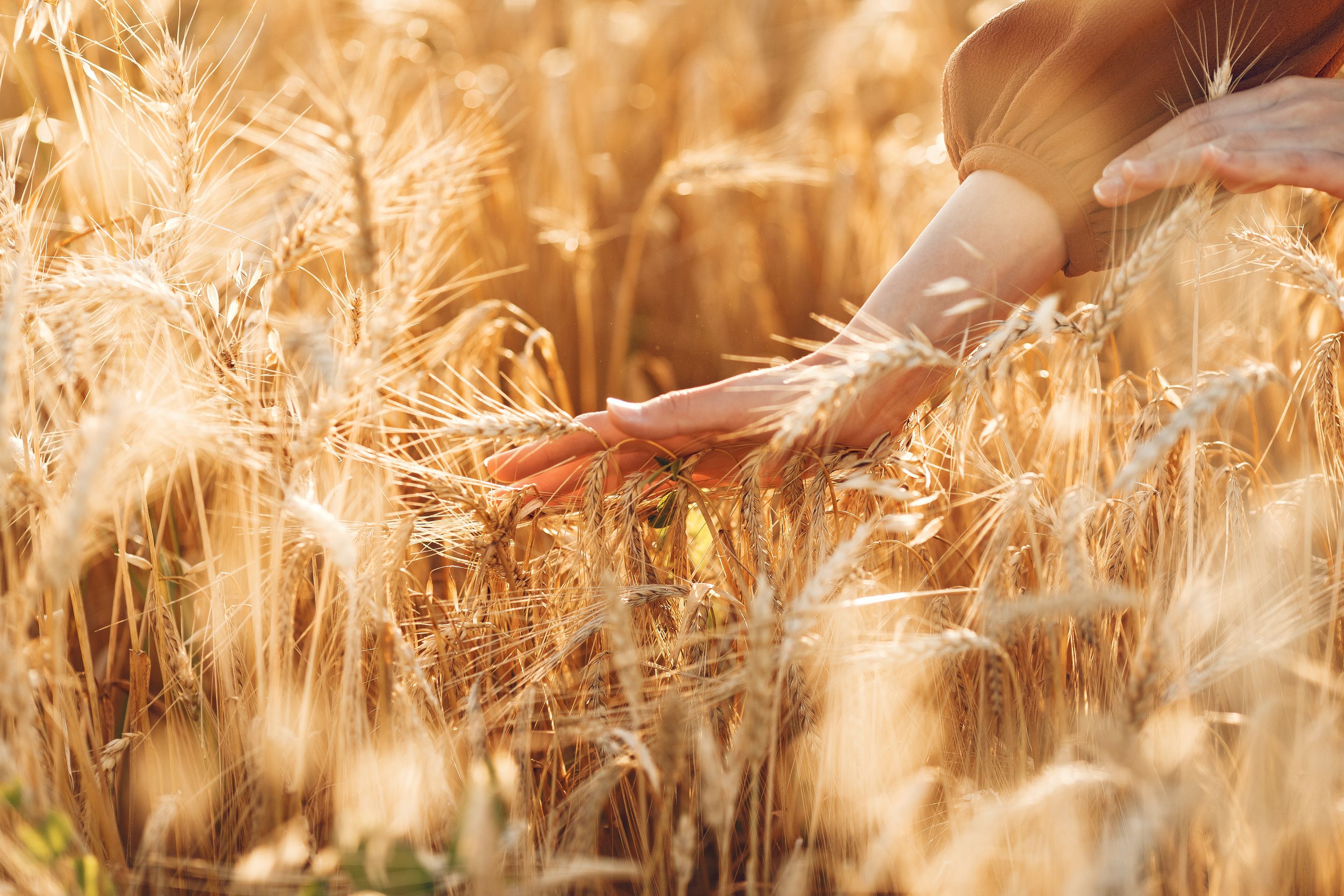
Changing weather patterns increasingly affect the timing and success of autumn sowing. Among cereals, rye is uniquely positioned — its tolerance for poorer soils and harsher conditions makes it a reliable crop even in less favorable environments. Understanding the right sowing window is essential to unlock its full yield potential.
Basic Threats to Rye Cultivation
Despite its resilience, rye is not immune to problems. The main threats include:
- Unpredictable weather — drought during emergence or excessive rainfall in autumn
- Sandy soils in extreme cases may not retain enough moisture for proper germination
- Poor crop management practices
To minimize risk, maintain a proper crop rotation, use cover crops to protect and improve soil structure, and apply manure or organic matter to boost soil fertility.
The Importance of Variety Selection
Choosing the right variety is one of the most impactful decisions in rye cultivation. Modern varieties differ significantly in yield potential, disease resistance, and suitability for specific soil and climate conditions.
Always select varieties that are registered and tested for your region, and consider whether population or hybrid types best fit your farming system.
Rye Cultivation Is Relatively Safe
Rye is one of the most forgiving cereals to grow:
- It germinates at temperatures as low as 2°C
- It is highly frost-hardy, surviving severe winters better than wheat or barley
- It prefers slightly acidic soils (lower pH), which are common on lighter ground
However, high temperatures during flowering can stall growth and reduce grain set. Rye also needs 50–60 days of autumn vegetation to develop a strong root system and adequate tillering before winter dormancy.
Optimal Sowing Dates
The general principle for rye is: the earlier the sowing, the better. Early sowing allows the plants to establish well before winter.
Recommended dates by region:
- Western Poland — September 20–30
- Northwestern Poland — September 20 – October 5
- Northeastern Poland — September 5–15
- Eastern Poland — September 10–25
- Central Poland — September 15–25
The key requirement is ensuring 50–60 days of active autumn vegetation between sowing and the onset of winter dormancy. This allows plants to reach the optimal 3–4 tiller stage.
Varieties for Early Sowing
When sowing early, choose varieties that have moderate growth vigor in autumn to avoid overgrowth before winter. Varieties with good winter hardiness and resistance to snow mold are particularly suitable for the earliest sowing windows.
Consult regional variety trial results to identify the best performers for your area and sowing schedule.
Hybrid Rye
Hybrid rye varieties have gained significant popularity in recent years. Their key advantages include:
- Strong drought resistance — deeper and more efficient root systems
- Significantly higher yield potential compared to population varieties
- Better tolerance for suboptimal conditions
Hybrid rye should ideally be sown by September 30. The recommended sowing depth is 1–2 cm — shallower than for population varieties, as hybrid seeds are typically smaller and require less energy to emerge.
Summary
Winter rye is the most resilient cereal in the rotation — it handles poor soils, lower temperatures, and acidic conditions better than any other grain crop. Key takeaways:
- Sow as early as possible within the recommended regional window
- Ensure at least 50–60 days of autumn vegetation
- Hybrid varieties offer higher yields and better stress tolerance
- Proper variety selection is crucial for maximizing results
With the right approach, rye delivers stable and profitable yields even under challenging conditions.
Summary
Winter rye is one of the most resilient cereal crops — it tolerates poorer soils and lower temperatures. The principle is: the earlier the sowing, the better — optimal timing is September, and hybrid varieties offer significantly higher yield potential.