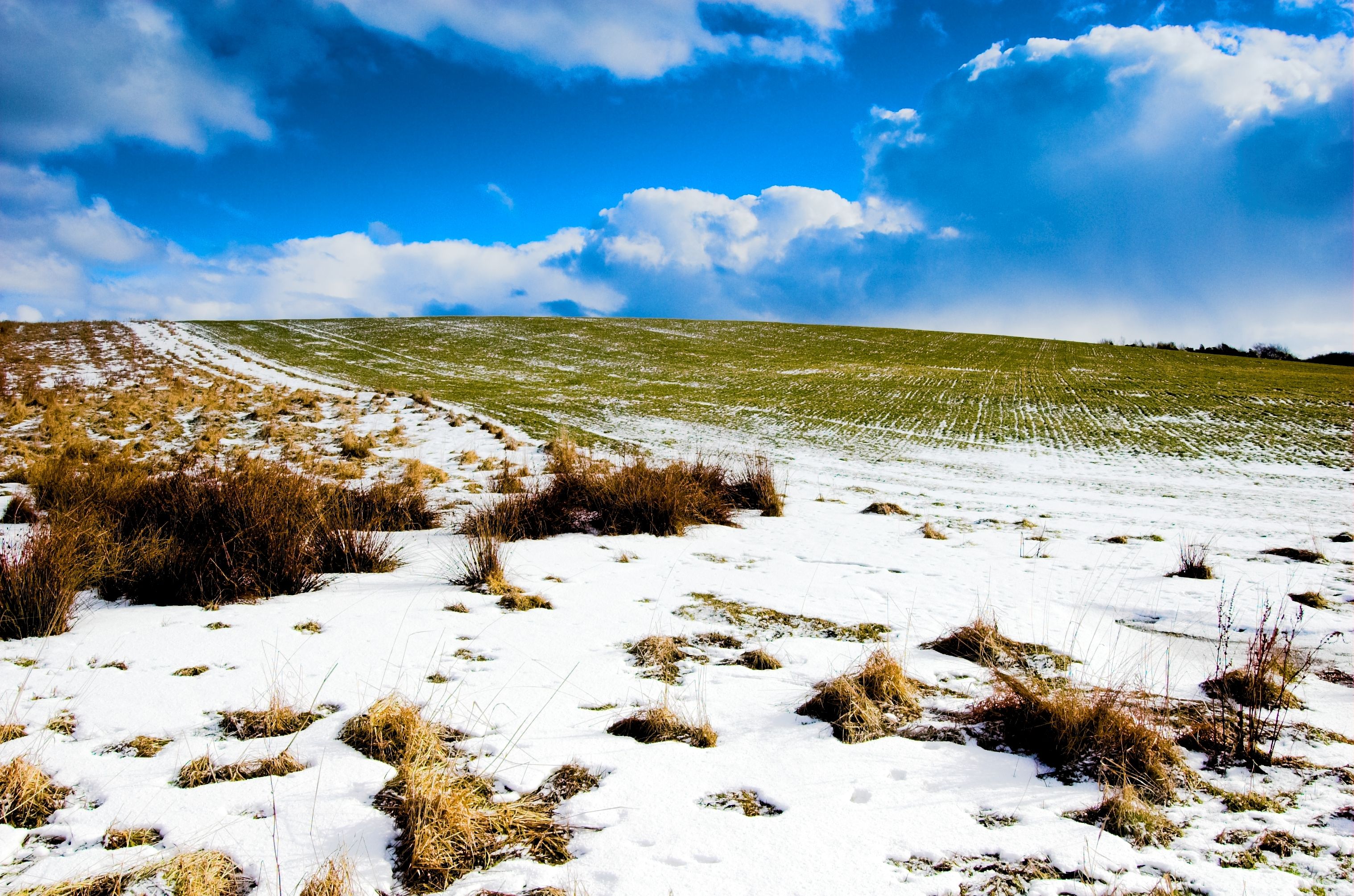
Although meteorological institutes prepare preliminary models that give an overview of the weather situation in the coming weeks and months, the first snowfall sparks interest far beyond just children.
Why snow matters for agriculture
For farmers, the question of when snow will arrive has a very practical dimension. Snow cover acts as a natural insulating blanket for winter crops, protecting them from severe frost and sudden temperature fluctuations. Without it, crops are exposed to winter kill — root and shoot damage caused by freezing temperatures at the soil surface.
Snow also plays an important role in moisture retention. As it melts in spring, it slowly releases water into the soil, replenishing moisture reserves that are critical for early crop growth. A winter with little or no snow often leads to spring drought stress, especially in regions where rainfall is already below average.
Weather forecasting and its limitations
Long-range weather forecasts can give a general picture of expected conditions for the coming season, but their accuracy decreases significantly beyond a few days. Seasonal outlooks are based on multi-year averages and large-scale atmospheric patterns — such as the polar vortex — and can indicate whether temperatures and precipitation are likely to be above, below, or near normal.
However, predicting the exact date of the first snowfall or the total snow accumulation for a specific region remains extremely difficult. Farmers should treat seasonal forecasts as a planning tool rather than a precise prediction, and stay alert to shorter-range updates as winter approaches.
How farmers can prepare for winter
Regardless of when the first snow arrives, there are several steps farmers can take to minimize winter-related risks:
- Protect winter crops: Timely autumn fertilization and foliar feeding with microelements help strengthen plants before winter dormancy, improving their frost tolerance.
- Monitor soil conditions: Knowing soil moisture and temperature helps determine whether crops are entering winter in good condition.
- Maintain equipment: Ensuring that machinery is ready for early spring fieldwork prevents delays when the growing season resumes.
- Plan spring operations: Using historical weather data and long-range forecasts to plan sowing dates, fertilization schedules and crop protection timing.
Covering fruit trees and shrubs before the first frost can also help prevent cold damage and pay off the following season.
Using weather tools for winter monitoring
Modern weather platforms provide farmers with tools to track approaching cold fronts, monitor ground-level temperatures, and receive alerts about incoming frost or heavy snowfall. By staying informed, farmers can better time their fieldwork, execute necessary treatments before temperatures drop, and reduce losses caused by unexpected weather events.
A reliable weather forecast is a farmer's best ally — not only during the frost season, but throughout the entire year. There is hardly another profession so closely tied to and dependent on weather conditions.
Summary
Snowfall forecasts depend on many atmospheric factors and are reliable only a few days in advance. Snow cover plays an important role in agriculture — it protects winter crops from frost and supplies moisture to the soil in spring. By combining weather monitoring tools with sound agronomic planning, farmers can prepare effectively for the winter season regardless of when the first snow arrives.
Summary
The question of when snow will fall concerns not just everyday plans but also agriculture — snow cover protects winter crops from frost and provides moisture. Weather forecasting tools and historical data help farmers prepare for the winter season.