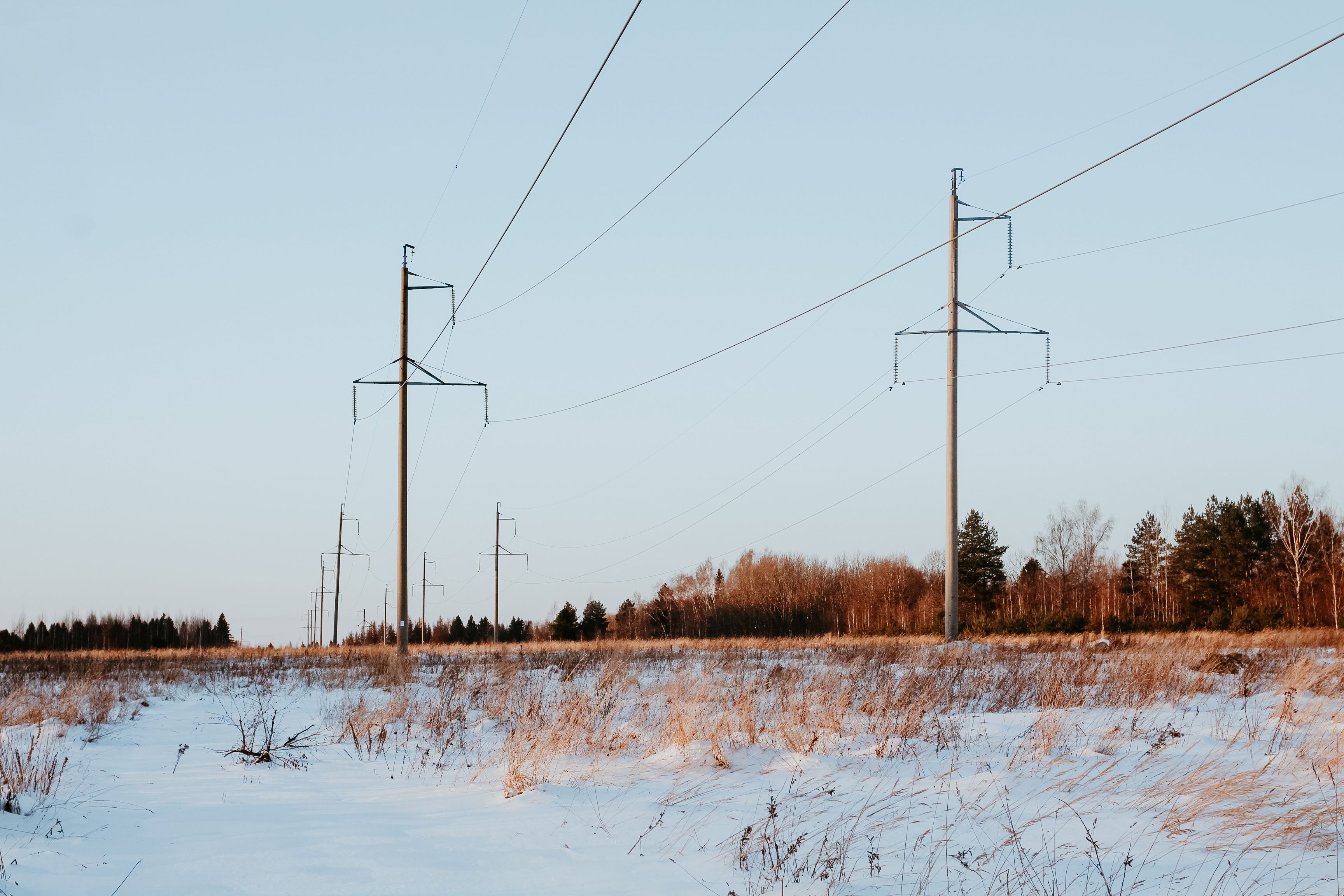
Autumn temperature drops are not harmless to cultivated plants, so it is no surprise that the period before winter can be stressful for farmers. To complete all necessary field operations in time, it is worth knowing when and where frosts are expected and when the temperature drop will be particularly damaging to crops.
The fact that frosts are extremely dangerous for cultivated plants is well known to both arable farmers and orchardists. Even garden plot owners notice the negative effects of overnight frosts.
Sudden temperature drops that persist for extended periods can significantly weaken plants both before the winter season and in spring, when vegetation begins.
Autumn frosts are especially harmful to winter crops in their early growth stages that require additional strengthening treatments before winter. Treatments carried out at the right time supply plants with essential microelements and increase their resistance to both low temperatures and large temperature fluctuations.
By knowing when frosts are expected, most field operations can be planned so that they are completed before temperatures fall below zero.
It is worth taking advantage of every weather window when daytime temperatures allow necessary treatments to be carried out.
What are frosts and when do they occur in Poland?
Frosts are defined as drops in air temperature near the ground below zero degrees, while the average daily temperature remains positive. The greatest risk of frost occurs in spring and autumn — at particularly critical times for plants — at the beginning or end of the growing season.
In Poland's climate, frosts appear every spring and autumn across the entire country, though with varying intensity. The lowest temperatures are typically recorded in the northeast, while other regions tend to be somewhat warmer. The frequency of frost events also varies — sometimes morning frosts occur a few times, sometimes a dozen or more times per season. The more frequent they are, the greater the damage and losses they can cause to crops.
How frosts damage crops
When plants are in their early growth phase and air temperature drops below zero, it can weaken them excessively, causing them to enter winter in poor condition and emerge much weaker in spring. Spring frosts are also harmful, even to plants that survived winter well. They cause significant physiological disturbances and plant stress, meaning considerable energy resources are diverted to regeneration.
This obviously results in weaker and smaller yields.
Interestingly, frosts occurring in spring and autumn are far more damaging than winter freezes. This is primarily because plants are not covered by snow during these periods. Additionally, during frost-prone periods there are large temperature fluctuations — warmer air and higher temperatures during the day, while temperatures near the ground drop below zero at night. Such daily swings are extremely unfavorable and can cause significant agricultural and horticultural damage in a short time.
Frost protection methods
Frosts cannot be avoided, but low temperatures can be predicted. With good planning, there is an opportunity to carry out strengthening autumn treatments so that temperature drops — even prolonged frosts — do not excessively weaken cultivated plants.
Many farmers race against time before winter to complete the most important field operations before the first sharp temperature drop. Cold air and overnight frosts are the first signs of approaching winter, and they can appear as early as late September.
Key protection strategies include:
- Timely autumn treatments: Supplying plants with microelements and growth regulators before frost strengthens their resistance.
- Monitoring weather forecasts: Knowing when frosts are expected allows farmers to plan field operations within available weather windows.
- Covering sensitive crops: Protecting fruit trees, shrubs and vulnerable plants with covers helps prevent cold damage.
- Choosing resistant varieties: Selecting crop varieties with higher frost tolerance reduces the risk of losses.
- Site selection: Avoiding frost-prone low-lying areas when planning plantings can significantly reduce exposure.
Weather monitoring and forecasting
Whether frosts are expected can be known well in advance. Modern weather platforms systematically publish warnings for specific regions regarding low temperatures and other difficult weather conditions. This means farmers can know days ahead when frosts, temperature drops, or exceptionally cold air are forecast.
A reliable weather forecast is a farmer's best ally — not only during the frost season but throughout the entire year. There is hardly another profession so closely tied to and dependent on weather conditions.
Summary
Spring and autumn frosts can cause serious damage to crops — especially plants in their early growth stages. Monitoring ground-level temperature forecasts and responding in advance — through timely strengthening treatments, choosing resistant varieties, and protecting sensitive plants — helps minimize losses and ensures crops enter the next season in better condition.
Summary
Frosts — especially late spring ones — can cause serious damage to crops, flowers and fruit. Monitoring temperatures, using protective methods, and choosing resistant varieties help minimize losses.