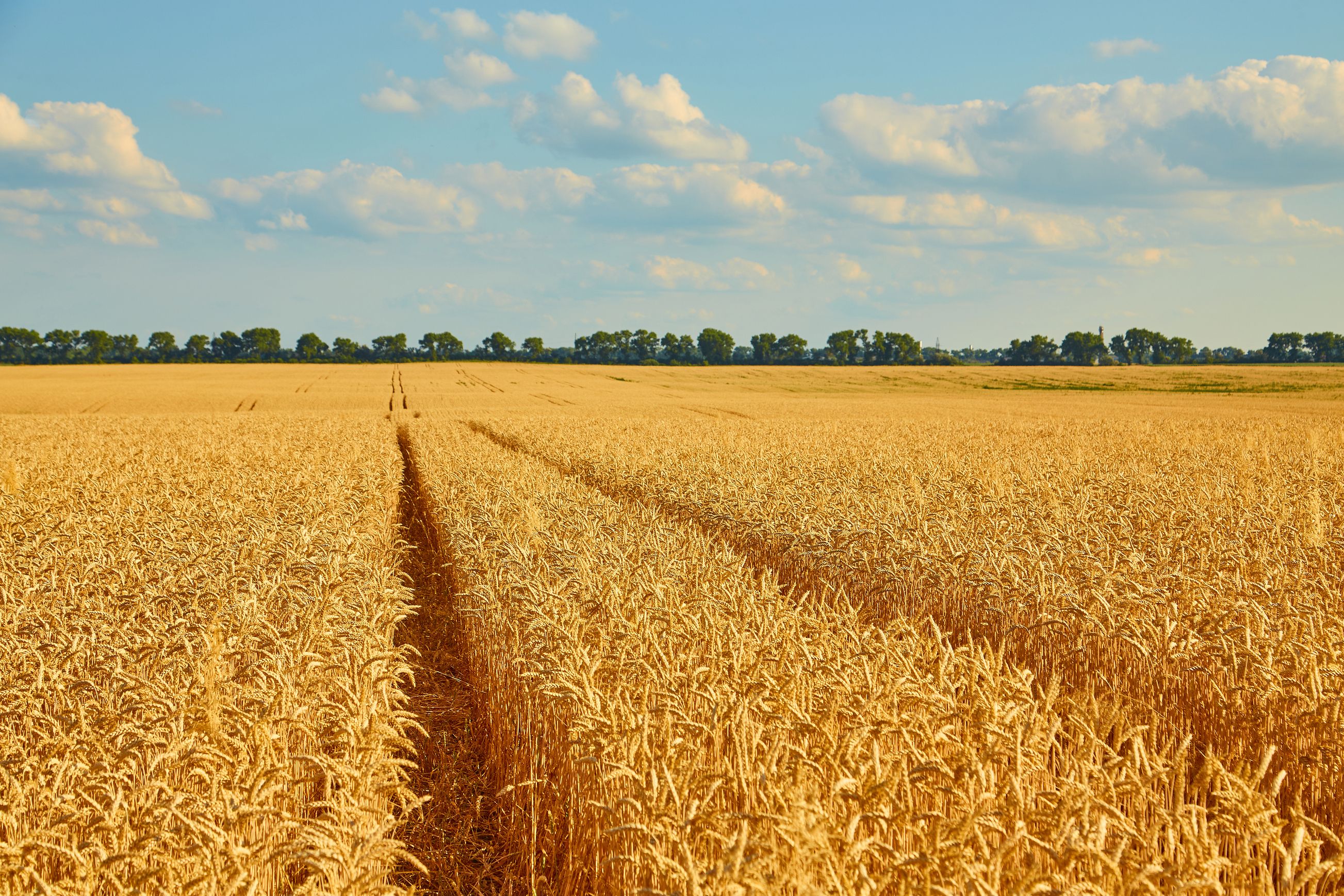
The timing of winter cereal sowing directly determines how well plants establish before winter — and ultimately how they yield the following summer. With changing weather patterns, rigid sowing calendars are no longer enough. Farmers need to understand the principles behind optimal timing and adapt to conditions on the ground.
What You Need to Know Before Sowing
Several key principles apply across all winter cereals:
- Too early sowing leads to overgrowth, increased disease pressure, and reduced winter hardiness
- Too late sowing means poor root development and insufficient tillering before winter
- When sowing consecutive cereals (cereal after cereal), it is advisable to delay sowing slightly to break pest and disease cycles
- Hybrid varieties can generally be sown from mid-September onward, as they compensate well with strong spring regrowth
Always monitor soil moisture and temperature — sowing into dry or overly warm soil can lead to uneven emergence.
Winter Triticale — Sowing Dates
Triticale is a versatile crop that combines the hardiness of rye with the yield potential of wheat.
Recommended sowing dates:
- Central, Northern, and Southeastern Poland — September 10–25
- Western Poland — September 20 – October 5
- Northeastern Poland — September 10–20
Triticale tolerates a relatively wide sowing window, but optimal timing remains critical for strong pre-winter development.
Winter Wheat — Sowing Dates
Winter wheat is the most widely grown cereal in Poland and requires careful attention to sowing timing.
Recommended sowing dates:
- Northwestern Poland — September 20 – October 5
- Western Poland — September 25 – October 5
- Southwestern Poland — September 25 – October 10
- Central Poland — September 20–30
- Northeastern and Eastern Poland — September 15–20
- Southeastern Poland — September 20–30
Wheat is more sensitive to late sowing than rye or triticale — delayed establishment significantly reduces frost resistance.
Winter Barley — Sowing Dates
Winter barley has the narrowest optimal sowing window among winter cereals and must be sown relatively early.
Recommended sowing dates:
- Eastern Poland — September 10–15
- Central Poland — September 12–18
- Western Poland — September 16–20
Barley requires ample time to tiller before winter, as its compensation ability in spring is more limited than that of wheat or rye.
Winter Rye — Sowing Dates
Rye is the most flexible cereal when it comes to sowing timing, but earlier sowing still produces the best results.
Recommended sowing dates:
- Western Poland — September 20–30
- Northwestern Poland — September 20 – October 5
- Northeastern Poland — September 5–15
- Eastern Poland — September 10–25
- Central Poland — September 15–25
Rye's deep root system and strong winter hardiness give it an advantage, especially on lighter soils and in colder regions.
Summary
All winter cereals share similar sowing windows — generally concentrated in September and early October, depending on the region. Key takeaways:
- Sowing dates for wheat, triticale, barley, and rye overlap significantly
- Hybrid varieties are a safer choice for late sowing, as they compensate with vigorous spring regrowth
- Recommended sowing depth is 2–3 cm for most cereals
- Adjust seeding rates to sowing date — later sowing requires higher density
The most important factor is timeliness — matching the sowing date to local conditions and adjusting management accordingly.
Summary
Winter cereal sowing dates vary by region, but the key principle is common: optimal timing allows plants to root well and tiller before winter. Wheat, triticale, barley, and rye have similar requirements — what matters most is timeliness and adjusting seeding rates to conditions.